Progressive Driving Lessons: Register for Our Instructor-Led Driving Program Today!
Step-by-step driving lessons present a systematic approach to developing vehicle control skills. Enrolling in an expert-led class can greatly improve a learner's skills and confidence. The program is meticulously planned to encompass introductory and sophisticated skills, accommodating different skill levels. Understanding what to expect in these classes can be incredibly valuable. There are several key components that foster productive learning and exam preparation.
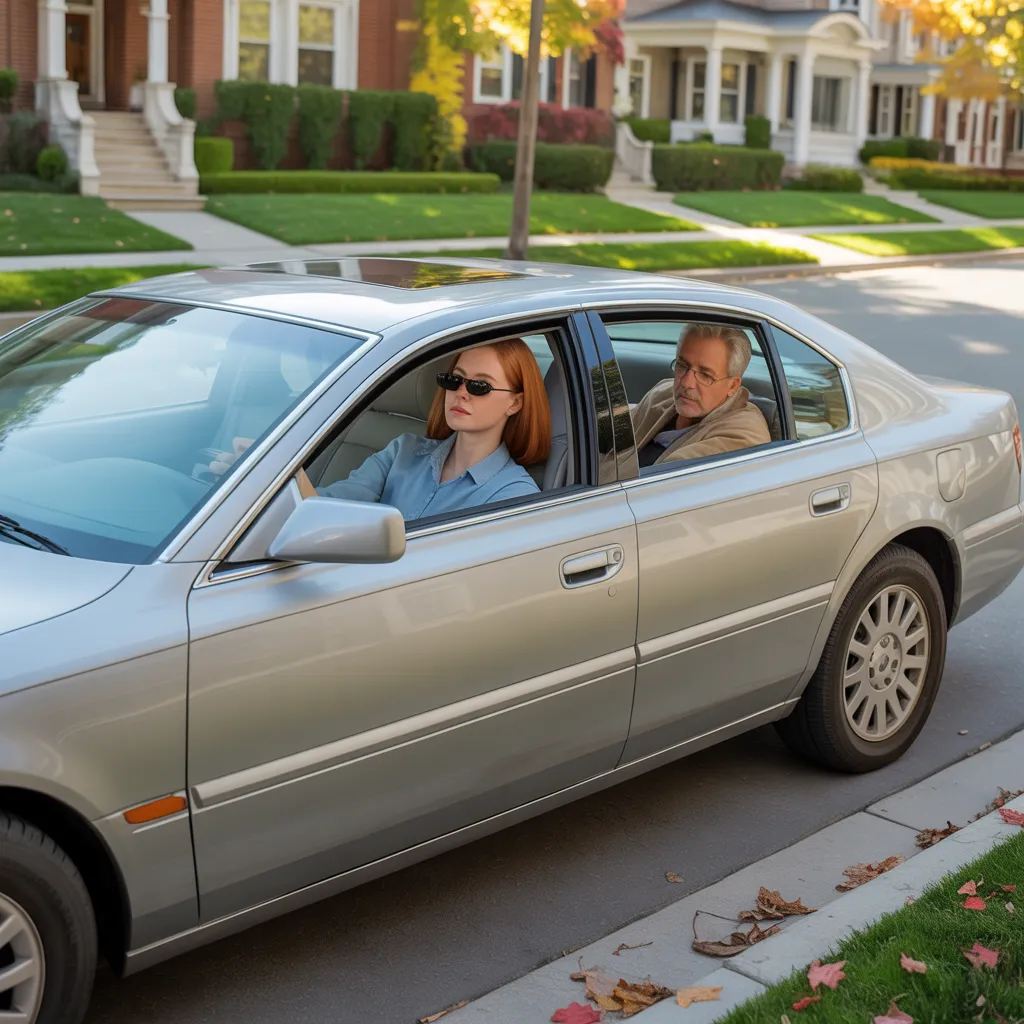
What to Expect in Your First Driving Class
Once a student begins their initial driving class, they may notice a mix of excitement and anxiety. The classroom environment, typically populated by fellow students, creates the foundation for a significant experience. Instructors typically start with introductions, outlining the course structure and safety protocols. Students can expect to receive learning resources, including manuals and handouts, which will function as helpful resources throughout their training.
The initial focus is primarily on understanding the vehicle's controls, fundamental road signs, and key traffic regulations. Teachers often highlight the importance of staying calm behind the wheel. Pupils are prompted to ask queries, fostering a supportive learning atmosphere. After the theoretical portion, most sessions incorporate real-world practice, where students become familiar with the automobile in a supervised environment. This blend of classroom learning and hands-on experience readies learners for the road ahead, instilling confidence as they embark on the road to becoming competent and safety-conscious drivers.
Driving Course: Fundamentals to Advanced
A thorough driver education program covers a journey from foundational skills to advanced techniques, ensuring that new Driving School drivers develop a strong foundation before tackling more complex driving scenarios. At the outset, new drivers concentrate on basic vehicle management, including wheel control, deceleration, and vehicle acceleration. They are introduced to important driving laws, road markings, and responsible driving habits, offering a detailed knowledge of the highway code.
When students exhibit mastery of these core concepts, the course moves forward to greater levels of skill. This involves navigating different road surfaces, dealing with difficult weather circumstances, and mastering defensive driving techniques. Moreover, learners are introduced to freeway travel and intricate road crossings, enhancing their ability to think swiftly when faced with difficult conditions.
Throughout the course, teachers highlight the significance of environmental awareness and safe driving practices. This structured approach enables students not only to complete their driving assessments but also to develop into skilled and assured drivers in a range of driving situations.
Developing Confidence as a New Driver
Novice drivers commonly struggle with developing their self-assurance while driving. The initial experience of driving can be overwhelming, with numerous tasks to manage and a constant need for focus. To alleviate anxiety, new drivers can benefit from practical, gradual exposure to various driving situations. Starting in low-traffic areas allows them to develop basic skills without the pressure of more complex environments.
Consistent practice is crucial; spending more time behind the wheel helps new drivers grow more at ease with their car and environment. Additionally, enrolling in expert-led driving classes offers structured learning and professional guidance, fostering a sense of security. Positive reinforcement from instructors and supportive peers can also enhance a new driver's self-esteem. Over time, as skills improve, new drivers will find their confidence grows, transforming driving from a challenging task into a more enjoyable and liberating experience.
How to Prepare for Your Driving Test
How can a new driver best prepare for their driving test? Proper preparation plays a vital role in achieving success. First, familiarizing oneself with the vehicle is important. It is important for new drivers to be confident in using all controls, including lights, wipers, and signals. Next, practicing maneuvers such as parallel parking, three-point turns, and lane changes will enhance their skill set.
Moreover, examining the local traffic laws and rules can give important guidance into what examiners typically look for. Scheduling a mock test with a qualified driving instructor can simulate the actual test environment, thereby lowering test anxiety.
Finally, verifying all necessary documents are in order, such as the learner's permit and proof of identity, is crucial. By adhering to these guidelines, new drivers can tackle their driving test with assurance, improving their probability of passing on the first attempt.
Popular Questions About Driving Lessons
What should prospective drivers know before starting lessons? Many individuals have common questions regarding the driving lesson process. First, they often wonder about the age requirements; the majority of regions require that students be a minimum of 16 years old to acquire a learner's permit. A common question also relates to the length of lessons; as a rule, each session is around one to two hours long, varying according to the student's skills and individual needs.
Potential driving students regularly seek information regarding the expenses related to driver training sessions. Costs can differ significantly based on the area and the instructor's expertise. Moreover, many ask whether they should bring their own vehicle; the majority of driving schools supply vehicles fitted with dual control systems for safety.
Finally, learners commonly question the course content. Comprehensive lessons typically include core driving abilities, traffic laws, and safety guidelines, ensuring that learners are well-prepared for their driving exam as well as everyday driving scenarios.
What Makes Professional Driving Lessons the Right Choice?
What makes expert-led driving lessons better than informal instruction? The response can be found in the quality and efficiency of the instruction delivered. Qualified instructors hold comprehensive knowledge of driving skills, road laws, and safety guidelines, ensuring that learners receive thorough education. They utilize a well-organized curriculum that develops abilities step by step, making it easier for students to grasp complex concepts.
Moreover, instructor-guided sessions often incorporate actual driving conditions, preparing learners to navigate diverse road situations with assurance. Driving professionals can deliver tailored guidance and adjustments, which are tremendously beneficial for establishing sound driving skills. Beyond that, their expertise allows them to personalize sessions to personal learning preferences, optimizing learning outcomes and competency growth.
Furthermore, skilled instructors consistently keep abreast of the latest regulations and advancements in driving education, making sure their lessons incorporate modern best practices. This expertise makes professionally delivered driving lessons the ideal selection for individuals aiming to develop strong driving abilities.

Questions Our Customers Often Ask
At What Age Can I Begin Taking Driving Lessons?
Commonly, aspiring drivers can initiate taking driving lessons at the age of 16, although some regions allow students to begin at 15. It is important to check local requirements regarding minimum age requirements for driving lessons.
Are Weekend Driving Lessons Available?
Weekend driving lessons are commonly offered, suiting a variety of scheduling needs. Numerous driving schools acknowledge the need for weekend availability, enabling learners to develop their driving skills without disrupting their weekday routines.
Am I Able to Use My Personal Car for Lessons?
Students are often permitted to utilize their own vehicles for driving lessons, provided the vehicle meets safety requirements and is in good working condition. Teachers commonly recommend this approach to guarantee familiarity and comfort while learning to drive.
What Should I Do if I Miss a Class?
In the event that a student misses a class, they might need to arrange a makeup lesson or reschedule. Rules surrounding attendance are not uniform, so it's advisable for the student to check with the instructor about any possible consequences or available options.
Can I Book Lessons for Automatic and Manual Cars?
Absolutely, the course offers lessons for both manual and automatic cars. Students can opt for their preferred transmission type, ensuring they are provided with personalized instruction that fulfills their personal driving needs and preferences for learning.